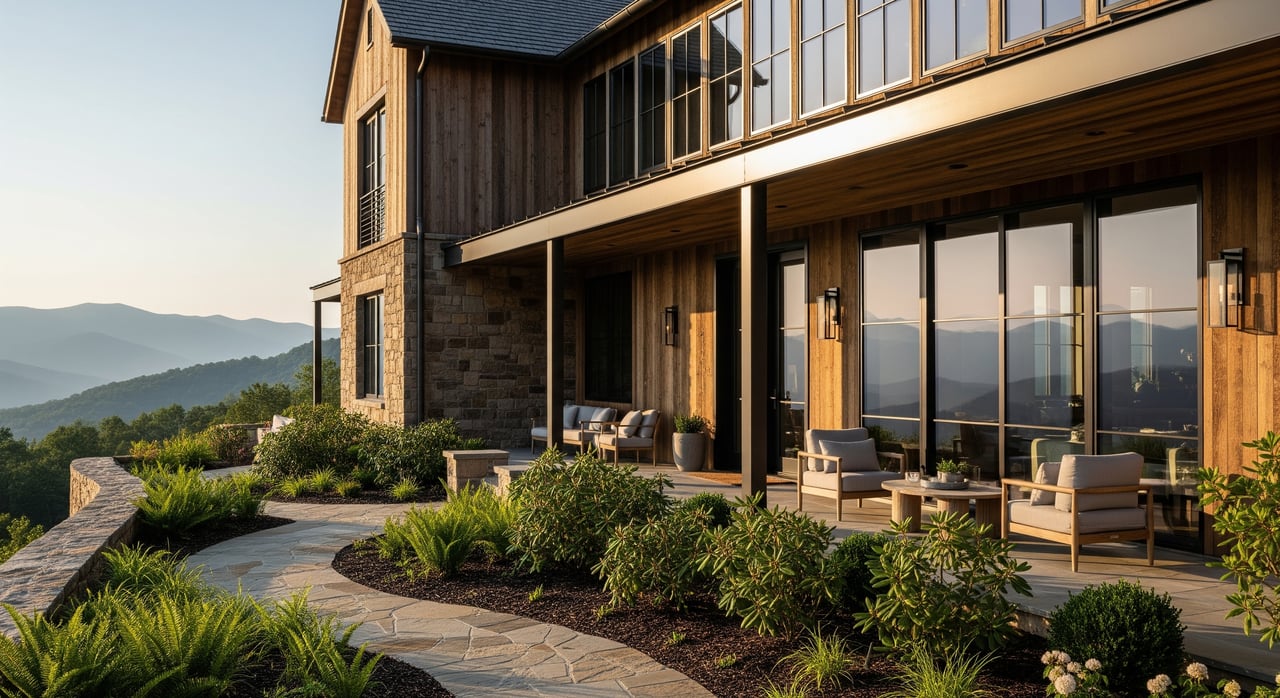
Curious what your budget can buy in a Blue Ridge mountain town like Spruce Pine? You want views, privacy, and a home that fits your lifestyle without surprises. This guide breaks down what buyers typically find across common price levels in Spruce Pine and Mitchell County, plus the key trade-offs, financing paths, and due diligence that matter in a rural mountain market. You’ll leave with a clear picture of what to expect and how to shop with confidence. Let’s dive in.
Budget basics in Spruce Pine
In Spruce Pine, your dollars stretch differently based on condition, land, access, and views. In-town homes and smaller lots often trade at lower prices than private, view-forward properties on ridge lines. Renovation needs, well and septic status, and internet access also affect value and monthly costs.
Inventory in small mountain towns can be cyclical. Some segments, like turnkey view cabins or premium acreage, may be limited at times. Be ready to act quickly when the right fit appears and have your pre-approval or proof of funds in hand.
Note: Market conditions shift. The examples below are representative of Spruce Pine and Mitchell County property types. Ask for a custom search tailored to your budget and lifestyle.
Entry-level: in-town homes and small lots
What you typically get
- Small in-town homes, older cottages, or compact manufactured homes.
- Smaller wooded or town lots with convenient access to services.
- Modest square footage with simple floor plans.
Common trade-offs
- Older systems that may need updates, including electrical and HVAC.
- Limited views or acreage compared to rural parcels.
- Potential for renovation needs such as roof, windows, or kitchens.
Buyer tips for this band
- Budget for inspections and repairs. For older homes, ask about lead paint and asbestos.
- Verify utilities and municipal connections. Many properties outside town rely on private well and septic.
- If you plan to update, explore renovation financing options and confirm permit requirements with local authorities.
Lower-mid: modest homes and simple cabins
What you typically get
- 2–3 bedroom homes on small lots, or simple cabins a short drive from town.
- Occasional mountain views if the home sits on higher ground.
- Smaller acreage parcels with older homes, often 1–5 acres.
Common trade-offs
- Homes may still need cosmetic or systems updates.
- Steeper driveways or unpaved roads are common and may lengthen drive times.
- Cell and internet service can vary by address.
Buyer tips for this band
- Confirm who maintains the road. Clarify private road agreements and any fees.
- Inspect well and septic. Replacement or repair costs can be significant and should be understood up front.
- Test internet speeds if you work from home and confirm provider options.
Mid-range: turnkey homes, view cabins, small acreage
What you typically get
- Renovated or newer homes with move-in-ready condition.
- Modular or stick-built cabins with mountain views and usable outdoor space.
- 5–15 acres suitable for privacy or hobby farming.
Common trade-offs
- Increased maintenance for larger parcels, private driveways, and trails.
- Longer trips to groceries or medical services if you prioritize privacy and views.
- If the home sits on a ridge, winter driving can be a factor.
Buyer tips for this band
- Check utility setups, such as propane vs natural gas, and electrical service capacity for future expansion.
- Confirm septic capacity if you plan to add bedrooms or build a guest suite.
- Evaluate winter access, snow removal plans, and emergency access routes.
Upper-mid: premium mountain homes
What you typically get
- High-quality custom homes or extensively renovated historic properties.
- Larger acreage with panoramic views, outdoor living areas, and upscale finishes.
- Potential for guest houses, workshops, or multiple outbuildings.
Common trade-offs
- Higher carrying costs for taxes, insurance, and ongoing maintenance.
- Environmental or permitting considerations for larger builds or improvements.
- Possible road associations or gated access with rules and fees.
Buyer tips for this band
- Order a current survey and review boundaries and access easements.
- Understand any environmental permitting and site restrictions before expanding or adding structures.
- Budget for utility extension costs if the property is more remote.
Rural estates and niche properties
What you typically get
- Larger tracts measured in tens of acres and unique parcels like ridge lines or riverfront.
- Significant privacy and a sense of scale for recreation or future projects.
- Potential to subdivide, subject to local rules and feasibility.
Common trade-offs
- High development costs for driveways, utilities, and well or septic.
- Steep or wooded terrain that limits usable acreage.
- Additional permitting and environmental review requirements.
Buyer tips for this band
- Invest in topographic and soil studies, plus a perc test for septic planning.
- Confirm legal access and maintenance responsibility for private roads.
- Consider timber value and long-term stewardship plans for the land.
Local factors that shape value
Zoning, permits, and land use
Rules differ between the Town of Spruce Pine and unincorporated Mitchell County. Before you buy, verify setbacks, septic permit paths, and any slope or watershed protections. For vacant land, confirm buildability, including slope limits, soil test results, and any floodplain considerations.
Utilities and connectivity
Inside town, municipal water and sewer may be available. Many rural properties use private wells and septic systems. Electrical service is provided by regional utilities, and line extensions can add cost for remote parcels. Broadband and cellular service vary, so verify provider options and speeds at the specific address.
Roads and winter access
Steep, narrow, or unpaved roads are part of mountain living. Ask who maintains the road, how snow removal works, and whether there is a road maintenance agreement or fee. If a property requires a high-clearance vehicle in winter, plan accordingly.
Septic, wells, and inspections
A full home inspection is essential. Add a septic inspection and a well water quality test to your due diligence. For older homes, evaluate plumbing and electrical for code compliance. For land, complete a perc test and obtain a survey.
Insurance, hazards, and environment
Flood insurance is not common unless a property sits in a mapped floodplain. On steep parcels, consider landslide risk and stormwater runoff. Some insurers charge more for rural or mountain homes, so get quotes early. If buying wooded land, ask about wildfire defensibility and creating safe, maintained zones around structures.
Taxes and closing costs
Property taxes are set by Mitchell County and any applicable municipal rates. Rural loans may have different fee structures. Review closing costs with your lender early in the process.
Financing options that fit mountain properties
- USDA Rural Development loans. These may offer 100 percent financing for eligible properties in rural areas, subject to income limits and property eligibility.
- FHA and conventional loans. Common for single-family homes. Appraisals in rural areas may require extra time because comparable sales can be limited.
- VA loans. A strong option for eligible veterans. Appraisers should be familiar with rural mountain properties.
- Renovation loans. FHA 203(k) and HomeStyle Renovation can wrap repairs into your mortgage if you are buying a home that needs updates.
- Vacant land and construction. Lenders often require larger down payments or cash for land and for the build. Many land purchases close with cash.
Ways to stretch your budget
- Target condition. Consider a solid home that needs cosmetic updates and use renovation financing to spread costs.
- Flex your search area. A few extra minutes from town can unlock better views and acreage for the price.
- Check access details. A property on a paved, well-maintained road may reduce wear and tear and keep costs predictable.
- Verify connectivity. Confirm internet options early if you need reliable remote work speeds.
- Plan for maintenance. Budget for road upkeep, propane deliveries, well and septic servicing, and annual property care.
Ready to see current listings?
The best way to understand what your budget buys is to walk properties in person. Inventory in select bands can be limited at times, especially for turnkey view cabins and premium acreage, so timing matters. Ask for a custom list that matches your budget, preferred road access, internet needs, and desired views.
Start your mountain story with a local guide who knows the backroads, the permitting paths, and the property types that perform. Connect with Kelly Jones to tour listings or request a custom search.
FAQs
In Spruce Pine, how much land can my budget buy?
- Acreage varies by terrain and access, but expect smaller lots in-town and larger parcels as you move into rural areas, with usable acreage shaped by slope and driveway feasibility.
Are there many move-in-ready cabins near Spruce Pine?
- You will see more renovated or turnkey cabins in the mid to upper price bands, while lower bands more often need updates.
What financing works for mountain homes or land in Mitchell County?
- USDA, FHA, VA, and conventional loans are common for homes; renovation loans can bundle repairs, and vacant land or construction usually requires larger down payments or cash.
How important are inspections for Spruce Pine properties?
- Very important; plan for a full home inspection, septic inspection, well water test, and for land purchases a perc test and survey.
Do Spruce Pine properties come with reliable utilities and internet?
- It depends on location; verify municipal or private utilities and ask for provider info and internet speed tests at each address.
How long are listings staying on the market in Spruce Pine?
- Days on market vary by segment and season; desirable turnkey or view properties can move quickly when inventory is thin.
What recurring costs should I plan for with mountain properties?
- Budget for property taxes, insurance, road or HOA fees where applicable, utility costs like propane, and routine well, septic, and driveway maintenance.