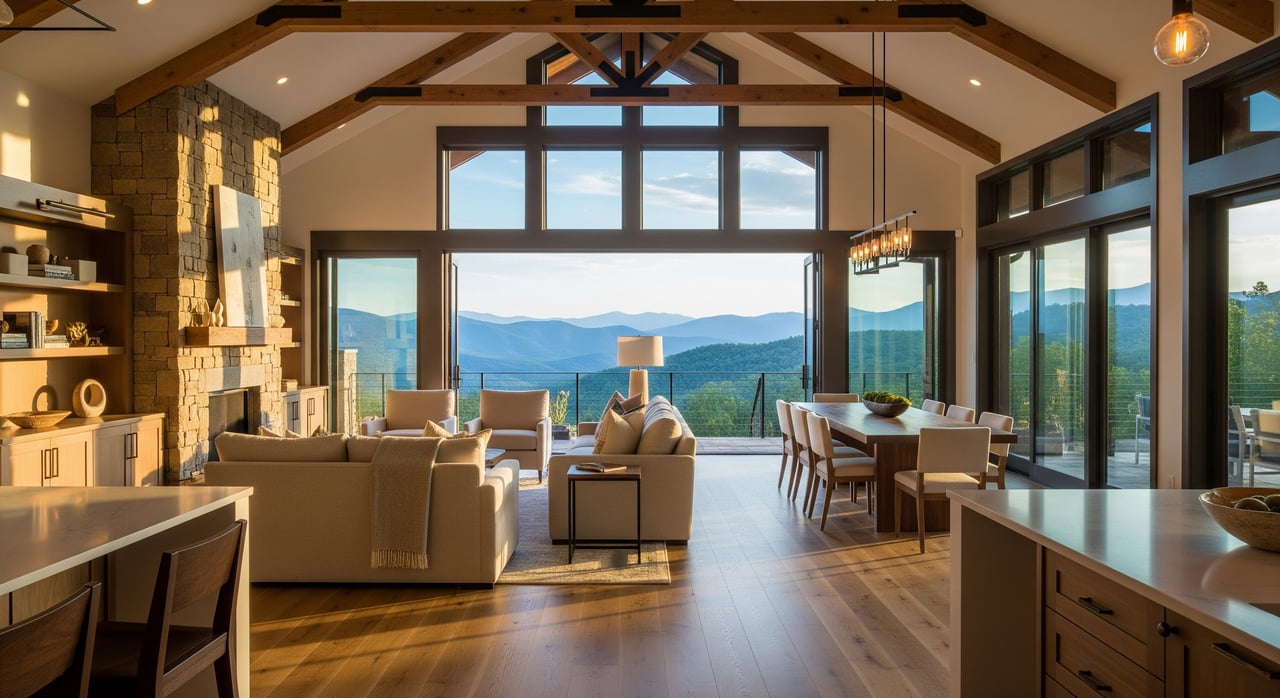
Seeing “turnkey” in a Spruce Pine listing can feel like a breath of fresh air. No projects, no supply runs, just keys in hand and mountain time on the calendar. But in Western North Carolina, that word can mean different things from one property to the next. This guide shows you what “turnkey” usually covers here, where to look closer, and how to protect your budget if you are a second‑home buyer or an STR investor. Let’s dive in.
Turnkey meaning in Spruce Pine
“Turnkey” is commonly used to signal “move‑in ready.” In practice, it is a loose label. One listing may include full furnishings and smart locks while another only means fresh paint and working appliances. Treat the term as a starting claim, not a promise.
To get clarity, ask for a written inventory and make sure the purchase contract states what transfers. It should list furniture, electronics, housewares, linens, and any smart devices by item, with photos when possible. You should also confirm the condition and service history of major systems. Documentation is key to a smooth handoff.
What to expect in WNC listings
Furnishings and inventory
Many WNC “turnkey” homes include major furniture like beds, sofas, and dining sets, plus basic housewares and small appliances. Window coverings and TVs are often included. Personal items, art, tools, and anything in labeled owner closets are common exclusions.
Ask for an itemized list and photos of what stays. Note the condition of electronics and appliances. If you plan to host guests, check that there are linens, extra blankets, and kitchen basics that match expected occupancy.
Systems readiness
A true turnkey should have solid systems, not just pretty finishes. In the mountains, pay close attention to the roof, HVAC, water heater, electrical panel, plumbing, septic or well, gutters, and smoke and CO detectors. Freeze‑thaw cycles, ice dams, and wildlife entry points are real factors here.
Request service records and recent inspections, ideally within the last year, with details on any transferable warranties. Prioritize a full home inspection, plus separate septic and well inspections if applicable, a roof review, and a pest/termite inspection. Confirm chimney and venting if a fireplace or stove is present.
STR readiness and rules
If your plan includes short‑term rentals, look for features that support smooth operations. Multiple sleeping areas, flexible bedding, a full kitchen, laundry, reliable high‑speed internet, off‑street parking, and exterior lighting help drive guest satisfaction.
Smart locks or keyless entry, lockable owner storage, a simple guest manual, and linen storage make turnover easier. Request any available STR performance data such as bookings, revenue, average daily rate, occupancy, and expense records if the property has a rental history.
Before you rely on STR income, confirm local rules. Check Town of Spruce Pine and Mitchell County zoning offices for current STR permit requirements, occupancy limits, and parking rules. Review HOA or POA covenants for rental restrictions. Verify state and local tax obligations, including occupancy taxes, with the North Carolina Department of Revenue and the local tax office.
Mountain‑friendly finishes
Look for materials that fit the climate and aim to reduce maintenance. On exteriors, metal roofing, fiber‑cement siding, stone accents, and composite decking perform well in moisture and temperature swings. Gutters with guards and planning for freeze conditions help protect the home.
Inside, porcelain tile in entry areas, engineered hardwood or quality laminate in high‑traffic zones, and quartz or solid‑surface counters cut down on upkeep. Stain‑resistant upholstery and removable slipcovers make guest turnovers easier. Laundry appliances suited to the space are a plus for STRs.
Costs and trade‑offs
You will often pay a premium for turnkey convenience. That premium reflects included furnishings, updated systems, and STR‑ready operations. How much depends on the quality and age of systems, local demand, and the completeness of the package.
Weigh the upfront premium against your time and setup costs. A higher purchase price can save weeks of furnishing and contractor coordination, which matters if you want to enjoy weekends now or launch an STR quickly. If you are an investor, compare two pro formas: one for the turnkey price and one for buying a lower‑priced property then adding furnishings, system updates, and initial supplies.
Turnkey does not remove ongoing expenses. You still have property management fees, utilities, maintenance, HOA dues, taxes, insurance, and replenishment of linens and consumables. If inspections reveal upcoming costs like a roof in two to three years, get quotes and factor that into your yield.
Due‑diligence checklist
Pre‑offer
- Request a detailed inventory with photos and a list of excluded items.
- Confirm age and service records for HVAC, water heater, roof, and appliances.
- Ask whether there is STR history and request bookings, revenue, occupancy, and expenses if relevant.
- Obtain HOA or POA rules and minutes to verify rental policies.
- Request permits or documentation for recent renovations.
Inspections and verifications
- Hire a licensed home inspector for a full inspection including roof and attic.
- Order septic inspection and permit history if not on municipal sewer; test well water and pump function if applicable.
- Inspect chimneys and fireplaces.
- Get a pest and termite inspection, especially for wooded settings.
- Verify smoke and CO detectors meet NC code for rentals.
- Test smart locks and confirm Wi‑Fi reliability for STR operations.
- Speak with an insurer about coverage and any STR requirements.
Contract protections
- Attach the itemized furnishings and equipment list to your contract, with transfer terms and condition noted.
- Add contingencies for major system issues discovered during inspections.
- If you need STR income, include a review period for rental records or feasibility.
- Specify utility transfer timing, access codes for smart locks, and delivery of all remotes and manuals.
Post‑closing
- Collect changeover instructions for utilities, internet, alarm, and smart devices.
- Confirm delivery of keys, garage openers, and any storage items.
- Schedule basic maintenance on day one: HVAC filter change, pest proofing, and a deep clean of linens and kitchenware if guests will arrive soon.
Photo guide: true turnkey features
Use this list to evaluate listing photos or to plan your walkthrough shots and captions.
Front exterior with metal roof and stone accents
- “Metal roof + stone veneer: materials chosen for durability and low maintenance in mountain weather.”
Deck with composite boards and a view
- “Composite deck with secure railings, built for seasonal use and easy upkeep.”
Mudroom or entry with cubbies and a bench
- “Practical mudroom reduces tracking and protects interiors, important for second homes and STRs.”
Open kitchen with quartz counters and full appliances
- “Durable kitchen finishes and a full complement of appliances make hosting guests easier.”
Bedroom with flexible sleeping
- “Flexible sleeping layouts increase guest capacity while keeping spaces comfortable.”
Laundry closet with stackable washer and storage
- “In‑unit laundry improves turnover efficiency for STRs and convenience for owners.”
Bathroom with tile floor and walk‑in shower
- “Tile floors and simple showers limit maintenance and quicken clean‑ups between guests.”
Secure storage or owner’s closet
- “Lockable owner storage keeps personal items separate from guest supplies.”
Smart lock and guest information
- “Keyless entry and clear guest info are common turnkey operational features for STRs.”
Utility room with labeled systems and service folder
- “Clear service history and labeled systems reduce onboarding time for new owners.”
Ready to evaluate turnkey homes?
If you want convenience without surprises, define “turnkey” in writing, verify systems with inspections, and confirm local rental rules before you close. As a Spruce Pine‑based advisor with media and investor know‑how, Kelly can help you spot mountain‑smart finishes, pressure‑test STR readiness, and secure a clean handoff. When you are ready to tour or compare options, reach out to Kelly Jones for local guidance and a streamlined plan.
FAQs
In Spruce Pine listings, does “turnkey” mean everything stays?
- Not always. Ask for a complete, itemized inventory and include it in your contract so there are no assumptions.
Will a turnkey home in WNC cost more than an unfurnished one?
- Often yes. The premium reflects included furnishings, system condition, and STR readiness, and it varies by quality and demand.
Are turnkey properties guaranteed free of defects in Spruce Pine?
- No. Turnkey is about convenience, not a warranty. You still need full inspections, plus septic, well, roof, and pest checks where applicable.
Can I rely on a property’s past STR income when I buy in Mitchell County?
- Treat past results as useful context, not a guarantee. Verify records and consider seasonality, rule changes, and management arrangements.
For STRs, who handles linens and consumables in a turnkey sale?
- It depends on your agreement. Owners often provide initial supplies, while property managers handle replenishment under their contract.