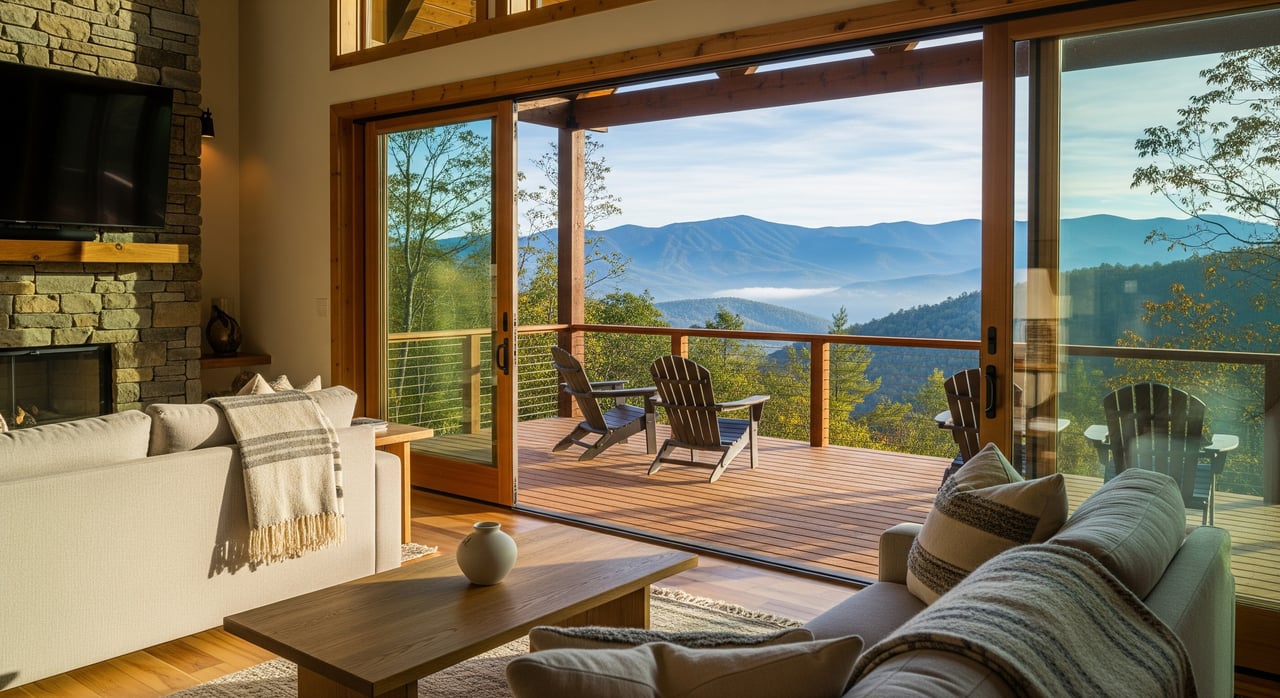
Thinking about turning a Banner Elk cabin into a short-term rental? You’re not alone. Demand is strong around ski season, fall color, and summer weekends, but the rules and mountain logistics can feel complex. In this guide, you’ll get the essentials: how to confirm what’s allowed, what costs to expect, and how to plan a guest-ready setup that works in Banner Elk and greater Watauga County. Let’s dive in.
Know your jurisdiction first
Before you run numbers or write a listing, figure out where the property sits. Properties inside the Town of Banner Elk follow town ordinances and permitting. Properties outside town limits follow Watauga County rules. The boundaries matter because permits, inspections, and enforcement can differ.
Confirm the parcel’s jurisdiction with local planning staff before you rely on any rule. Once you know the governing body, you can verify whether short-term rentals are allowed, what approvals you need, and how the complaint process works if a neighbor reports noise or parking issues.
Town vs. county: what it changes
- Allowed uses and occupancy: Zoning rules control whether you can host short stays and how many guests can occupy the home.
- Permits and licensing: Some places require a specific STR permit or a business license. Ask planning staff about current requirements and any application steps.
- Inspections: Life-safety checks for smoke and carbon monoxide alarms, egress, and fire extinguishers may be required before an STR is approved.
- Parking, trash, and signage: Expect local rules about on-site parking, trash storage and pickup, and whether a sign is allowed.
Don’t skip septic and well
Many mountain properties rely on septic and well systems. Capacity and permitted use can affect how many guests you can host. Watauga County Environmental Health maintains septic records and handles capacity approvals. If you plan to expand sleeping areas, ask about the permitted bedroom count and any steps to increase capacity.
Taxes and registrations
Short-term stays typically trigger local lodging or occupancy taxes that must be collected from guests and paid to the local authority. You usually also need to register with the North Carolina Department of Revenue for state sales and room taxes. Because tax rates and procedures can change, confirm the current process with the town or county tax office and the state before you take bookings. If the property is income producing, talk with a tax professional about reporting and classification.
HOA and neighborhood rules
Even if zoning allows short-term rentals, your HOA or POA might not. Covenants can prohibit STRs, require minimum stays, ask for a local contact, charge higher fees, or set guest behavior rules. Review CC&Rs, bylaws, published STR policies, and recent meeting minutes for pending changes or enforcement trends. Ask for any required registrations and get them in place early.
Enforcement and policy risk
Mountain resort towns can update STR policies quickly. It pays to watch Town Council and County Commission agendas and minutes during your evaluation period. Understand the local complaint process and penalties. Noise, trash, and parking issues often trigger complaints, so set clear house rules and give guests simple systems they can follow.
What drives demand in Banner Elk
Banner Elk sits in the High Country, close to ski areas, Blue Ridge Parkway access, and leaf-peeping corridors. That means demand is seasonal.
- Winter: Ski season brings strong occupancy and higher nightly rates.
- Fall: Leaf season fills weekends and many weekdays.
- Summer: Weekends attract hikers, anglers, and families escaping the heat.
Expect a weekend-heavy booking mix. Plan cleaning, linen turnovers, and pricing accordingly. Use seasonal pricing to protect margins in peak months and stay competitive during slower periods.
Must-have features for mountain STRs
Guests choose mountain rentals for comfort, ease, and safety. In Banner Elk, practical details matter even more when roads are steep and snow is likely.
- Practical and safety basics
- Reliable heating and good insulation.
- Visible smoke and carbon monoxide alarms on every level.
- Fire extinguisher and a small first-aid kit.
- Handrails on stairs and bright exterior lighting.
- Access and parking
- Off-street parking for multiple vehicles.
- Clear notes about winter access, including any four-wheel drive recommendations.
- A plowing plan for the driveway and someone to clear walkways.
- Comfort and convenience
- Fast, reliable Wi‑Fi and a smart TV setup.
- Comfortable beds and fresh, hotel-style linens.
- Stocked kitchen essentials and a washer/dryer.
- Smart lock or keyless entry with changeable codes for each stay.
- Extra linens and towels to handle back-to-back bookings.
- Guest services and communication
- Clear check-in instructions with photos.
- A simple guest manual that lists house rules, parking guidance, trash day, emergency contacts, and local recommendations for ski resorts and dining.
Budgeting and risk: what to model
Short-term rentals can perform well in Banner Elk, but you need a realistic budget. Build a seasonal model with conservative occupancy and line-item operating costs.
- Recurring costs: utilities, heating fuel, internet, cleaning and linen rotation, routine maintenance, snow removal, landscaping, HOA dues, insurance, and any property management fees.
- Insurance: Standard homeowners policies often exclude short-term rental activity. Ask for a commercial policy or a short-term rental endorsement that covers liability, contents, and guest-related damage.
- Mountain maintenance: Freeze-thaw cycles can be tough on roofs, gutters, and driveways. Plan for septic servicing, chimney cleaning if applicable, and winterizing plumbing if the home sits vacant.
- Management choice: Full-service managers optimize pricing and handle 24/7 issues for a fee. Self-management lowers costs but requires time, systems, and local vendors you can call on short notice.
Buyer due diligence checklist
Use this checklist while you evaluate a Banner Elk short-term rental. Ask the seller for documents early so you can verify performance and compliance.
Ownership, zoning, and legal
- Confirm whether the parcel is inside the Town of Banner Elk or under Watauga County.
- Verify that zoning allows short-term rentals. Request a zoning verification letter or permit history.
- Obtain copies of any STR permits, business licenses, or registrations if the property is operating.
- Review CC&Rs, HOA rules, published STR policies, and recent meeting minutes.
- Check for pending town or county ordinance changes by reviewing recent meeting agendas and minutes.
Taxes and financials
- Confirm occupancy or lodging tax registration steps with the town or county and register with the North Carolina Department of Revenue for state sales and room taxes.
- Request at least 12 months of P&L, including nightly rates, occupancy, fees, cleaning costs, management fees, utilities, maintenance, and taxes.
- Ask for 12 months of booking calendars and guest reviews to verify demand patterns.
- Model seasonal revenue and cash flow with conservative scenarios and full operating costs.
Physical and safety inspections
- General home inspection with extra focus on roof, heating system, insulation, plumbing, electrical, and chimney if present.
- Septic and well inspection, plus a capacity check with Watauga County Environmental Health.
- Verify smoke and CO detectors, escape routes, and any fire or building inspection records.
- Evaluate driveway grade, winter access, and snow removal responsibilities. Clarify whether the owner, HOA, or town handles plowing.
- Confirm parking capacity and any rules limiting on-street parking.
Operational readiness and guest experience
- Inventory appliances, furniture, and linens. Note warranty details.
- Confirm access systems: locks, keyboxes, or smart locks. Check any HOA requirements.
- Review existing platform accounts and any contracts with property managers.
- Verify insurance coverage for short-term rental use and review liability limits.
- Build a local contact list for cleaners, handypeople, HVAC, plumbing, and emergency services.
Local resources and who to call
When you are serious about a property, go straight to primary sources. Contact:
- Town of Banner Elk planning and zoning for current STR rules, permits, and any council actions.
- Watauga County Planning and Inspections and the Tax Office for county zoning and tax questions.
- Watauga County Environmental Health for septic records and capacity.
- North Carolina Department of Revenue for state tax registration and remittance steps.
- Your HOA or POA manager for covenants, policies, and meeting minutes.
- Local fire department and building inspections for life-safety requirements.
Stakeholders who can add practical insight:
- Local property managers operating in Banner Elk for occupancy trends and pricing seasonality.
- Banner Elk Chamber of Commerce and tourism organizations for visitor patterns.
- A local CPA or tax advisor who understands North Carolina lodging and sales tax reporting for STRs.
Five smart next steps
- Confirm the property’s jurisdiction and zoning path with the town or county.
- Gather all STR documentation from the seller, including permits, P&L, booking history, and HOA records.
- Call Watauga County Environmental Health to verify septic capacity and records.
- Get market input from a local property manager and build a seasonal revenue model with conservative assumptions.
- Talk with a CPA or attorney about local tax and regulatory obligations before you close.
Getting listing-ready fast
Presentation and clarity drive bookings in the High Country. Focus on the photos, the first three lines of your listing, and clear guest instructions.
- Photos: Lead with the view, outdoor living, and the main gathering space. Show access and parking clearly in winter and summer.
- Copy: Set expectations up front for driveway grade, four-wheel drive recommendations, and snow plans. Highlight Wi‑Fi speed, beds and bath count, and proximity to top activities.
- House rules and guidance: Keep it short, friendly, and specific. Include trash day, quiet hours, parking layout, and emergency contacts.
Ready to evaluate properties or tune up a listing so it stands out? Start your mountain story with a local, investor-friendly guide who understands both presentation and operations. Connect with Kelly Jones for practical, step-by-step help from search to setup.
FAQs
What is considered a short-term rental in Banner Elk and Watauga County?
- A furnished home or condo rented for brief stays to transient guests. Local rules vary by jurisdiction, so verify definitions, allowed uses, and any permits with the town or county before hosting.
How do I confirm if my property is inside the Town of Banner Elk limits?
- Contact Town of Banner Elk planning or Watauga County Planning and Inspections with the parcel address or PIN. They can confirm jurisdiction, zoning, and what approvals apply.
What taxes do hosts typically collect and remit in Banner Elk?
- Expect local lodging or occupancy tax plus state sales and room tax. Register with the North Carolina Department of Revenue and confirm current local procedures with the town or county tax office.
What winter access issues should I plan for with a Banner Elk STR?
- Steep driveways, snow and ice, and limited on-street parking. Plan plowing, de-icing, clear guest instructions, good lighting, and consider recommending four-wheel drive during winter conditions.
If a property already operates as an STR, what documents should I request before buying?
- Copies of any STR permits or registrations, 12 months of P&L, booking calendars and reviews, HOA rules and minutes, septic and well records, and any fire or building inspection reports.
Do I need a property manager to succeed in Banner Elk?
- Not always. Full-service managers handle pricing, cleaning, and 24/7 support for a fee. Self-management reduces costs but requires strong systems and reliable local vendors for maintenance and emergencies.