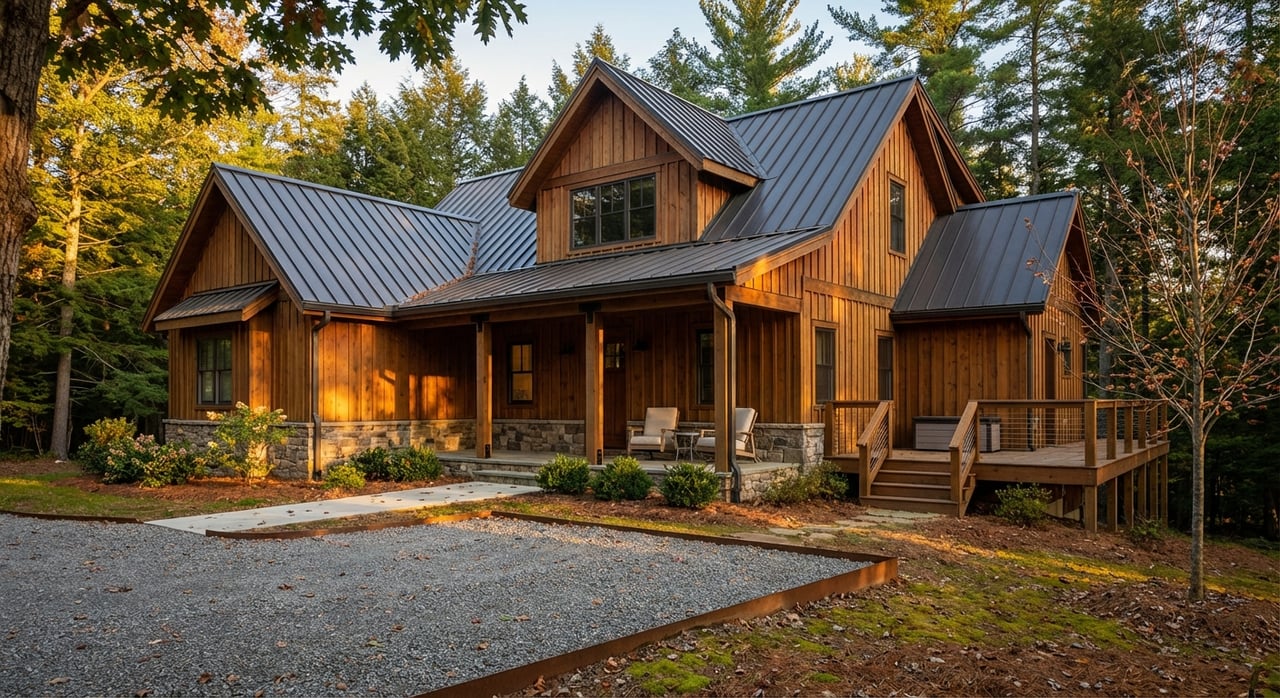
If you’re eyeing Banner Elk for a short-term rental, you’re on the right track. This pocket of the High Country draws visitors all year, but profitability comes from choosing the right property and planning for big seasonal swings. In this guide, you’ll learn the features that consistently attract bookings, the rules you must follow, and the costs to model before you buy. Let’s dive in.
Why Banner Elk rentals perform
Four-season mountain demand
Banner Elk stays busy with winter skiing and snow tubing, fall foliage weekends, and steady summer traffic for hiking, weddings, and college events. The town’s visitor hub highlights how the area pulls guests in every season, which helps you keep your calendar active when you price and position the home well. You should plan around peaks for ski season, mid-October color, and holiday weekends, then fill the off-season with value-driven rates and strong visuals that sell the mountain lifestyle. For a quick overview of seasonal draws, review the area’s year-round attractions listed by the local visitor site on Banner Elk tourism.
The anchors that drive bookings
Two nearby ski areas, Sugar Mountain and Beech Mountain, are the engines of winter demand. Properties within a 10 to 15 minute drive from lift access and dining tend to convert best for peak dates, especially if the listing clearly features fast access and winter-ready parking. If you want a refresher on the regional ski and tubing scene, look at this roundup of mountain snow activities on the Blue Ridge Mountains Travel Guide.
What market snapshots show
Public aggregators list Banner Elk among North Carolina’s notable STR markets and often show higher average daily rates with more modest average occupancy than big-city markets. In plain terms, you can command premium pricing during peak weeks, but you should expect slower shoulders. Use these snapshots only as context, then budget with live, address-level data. A directional example is available through AirROI’s North Carolina market snapshot.
Location and access features that pay off
Near the slopes and town core
Homes 10 to 15 minutes from Sugar or Beech usually earn a ski-season premium. If you can also walk to dining or a coffee stop in Banner Elk’s core, you gain a weekday and shoulder-season edge. When screening listings, map drive times to lifts and downtown, then call out those minutes clearly in your future description.
Parking and winter reliability
Mountain roads can ice. Guests choose listings that feel simple and safe to reach in snow. Plan for:
- Off-street parking for at least two cars
- A clear turnaround area without a long, narrow, steep driveway
- A posted snow-removal plan and guidance for AWD or chains when storms hit
Owners who set expectations and advertise reliable winter service see fewer cancellations. You can reinforce those expectations with practical notes drawn from local travel guidance on Banner Elk tourism.
Layout and capacity that boost revenue
Practical sleeping and bath counts
Open living, dining, and kitchen areas work well for groups. Flexible sleeping setups, like a king suite plus bunks or a quality sleeper sofa, help you capture multi-family bookings. Aim for at least one full bath for every three to four guests so mornings run smoothly.
Just as important, know your legal bedroom count. In North Carolina, septic permits are tied to bedroom capacity and you cannot market more bedrooms than the permit allows. This is both a compliance and revenue issue. Review the guidance on bedroom count and septic rules referenced by regional MLS policy at this septic and bedroom-count resource.
Gear-friendly entry and storage
A boot-friendly mudroom or drop zone near the entry makes ski days easier. Add hooks, a bench, and waterproof mats. In summer, that same zone holds daypacks and hiking shoes, which keeps the main living area tidy for families.
Amenities guests pay for
Views, outdoor living, and hot tubs
Decks with a mountain view, a gas grill, and a safe, well-maintained hot tub can elevate your nightly rate. Hot tubs also raise maintenance, insurance, and cleaning needs, so build those costs into your forecast. Larger outdoor spaces tend to attract multi-family trips, which are common in ski and fall seasons. For a sense of how outdoor amenities help frame the area’s vacation experience, start with the season-by-season ideas on Banner Elk’s travel site.
Connectivity and utilities
Some mountain pockets have limited cell service or slower internet. Always confirm broadband speed and carrier coverage before you buy so remote workers and streaming families do not struggle. If the property is on well and septic, note that water and wastewater systems often set practical and legal limits on occupancy and bedrooms. Arrange inspections early and keep documentation handy for guests and permitting.
Regulations and must-check items
Banner Elk’s STR permit
If the home is inside the Town of Banner Elk, the zoning ordinance requires a permit for any rental under 90 consecutive days. The application calls for owner contact details, a designated 24-hour local contact, a site plan showing on-site parking, proof of liability insurance, and proof that you notified adjacent property owners within 100 feet. Operating without a permit is a zoning violation, and permits expire when the property is sold or transferred. Read the town’s ordinance language in the Banner Elk municipal code.
Not sure about jurisdiction or current fees. Call Town Hall to confirm your zoning, permit steps, and timing through Town of Banner Elk Planning and Zoning.
Lodging and occupancy taxes
North Carolina allows local occupancy taxes at the county and municipal level, and Banner Elk is listed among municipalities that collect a local lodging tax. Always verify the current combined state, county, and municipal rate to model your net nightly revenue. For context on North Carolina’s local occupancy tax landscape, see this statewide occupancy tax profile.
Septic and bedroom count limits
Your septic permit sets the legal bedroom cap, and many MLS and county health departments require that listings match the permitted count. Upgrading septic can be costly and time consuming, so confirm the permit details and pump or inspection history before you value income. The policy overview on septic systems and bedroom count outlines why this matters.
HOA or covenant rules
Many gated or planned communities in the High Country have covenants that limit STRs, set minimum stay lengths, or require specific event or parking rules. Collect the full covenants and rental rules early, and ask about actual enforcement practices. Treat HOA approvals as a gating item before you commit.
Operating costs to model from day one
Property management and fees
Full-service STR managers in resort markets often charge around 20 to 30 percent of gross rental revenue, with ranges from 15 to 40 percent depending on service level. Cleaning and turnover are usually separate pass-throughs and can spike during peak seasons. If you plan to self-manage, budget for your time and possible vacancy. For benchmarks, review this overview of STR management fee ranges.
Maintenance, utilities, and turnovers
Mountain weather adds wear. Budget for snow removal, deck and hot tub upkeep, HVAC servicing for fireplaces or wood stoves, and frequent linen replacement. Plan for higher cleaning frequency in ski and fall peak months.
Insurance for STR use
Standard homeowners or landlord policies often exclude business use. You will likely need an STR-specific policy or an endorsement that covers guest-caused damage, liability for guest injury, and business-interruption or loss-of-income. Amenities like hot tubs or trails may require specific underwriting. Learn the basics with this guide to short-term rental insurance coverage.
Pricing and seasonality
Use dynamic pricing to capture ski and foliage premiums, then set conservative base occupancy for spring and late-summer shoulders. Test multiple scenarios in your underwriting, such as 75 percent, 50 percent, and 25 percent of peak revenue, and stress test for weather-related cancellations on winter weekends.
Quick due-diligence checklist
- Confirm jurisdiction and zoning: Town of Banner Elk vs Avery County vs Watauga County. Start with Town of Banner Elk.
- Pull the Banner Elk STR permit language and confirm your zoning district allows STRs. See the Banner Elk municipal code.
- Obtain the septic permit and pump or inspection history. Do not market more bedrooms than permitted. Use this bedroom-count guidance.
- Retrieve HOA covenants and any rental or event rules. Confirm enforcement history.
- Ask the town or county for current lodging and occupancy tax rates and remittance schedule. For context, review the North Carolina occupancy tax profile.
- If the listing is an active STR, request a 12-month P&L with gross revenue by month, platform mix, and all fees.
- Get quotes for STR or commercial homeowners insurance with your name as the insured and confirm coverage for amenities like hot tubs.
- Pull paid market comps for ADR, occupancy, and seasonality at the address level. Use public snapshots only as a directional starting point, like the AirROI North Carolina overview.
What profitable Banner Elk listings look like
- 10 to 15 minutes to Sugar or Beech with a simple, plowed driveway
- Off-street parking for two or more cars and a clear turnaround area
- Open living areas with a king suite plus flexible sleeping like bunks
- One full bath for every three to four guests
- A mudroom or gear drop zone at the entry
- A view-forward deck with seating, a safe hot tub, and a gas grill
- Reliable broadband and stated cell carrier performance
- Accurate bedroom marketing that matches the septic permit
- A published snow-removal plan and seasonal house rules
These features make the home easy to book, easy to enjoy, and easy to maintain through winter and shoulder seasons.
Your next steps in Banner Elk
If you want to buy with confidence, focus first on jurisdiction, permits, and septic capacity. Then price your underwriting with conservative off-season occupancy and premium peak rates. Finally, build an ops plan you can actually run in winter.
When you are ready to tour properties or pressure-test a short list, partner with a local, marketing-forward broker who understands mountain operations and investor needs. If you want a second set of eyes on features, permits, and seasonal positioning, reach out to Kelly Jones to start your Banner Elk plan.
FAQs
What makes a Banner Elk STR profitable compared to other NC towns?
- Strong winter and fall peaks from Sugar and Beech, year-round draws, and the ability to command premium rates on peak dates when the property is close to slopes, has winter-ready access, and offers guest-friendly layouts.
Do I need a permit to run a short-term rental in Banner Elk?
- Yes. Inside town limits, rentals under 90 consecutive days require an annual STR permit with specific application items like parking, insurance, and neighbor notification. Review the rules in the Banner Elk municipal code.
How do septic rules affect my rental’s bedroom count?
- In North Carolina, the septic permit sets the legal bedroom limit. You cannot market more bedrooms than permitted, which affects occupancy and revenue. See the bedroom-count guidance.
What should I budget for property management in a resort market?
- Expect roughly 20 to 30 percent of gross rental revenue for full-service management, with ranges from 15 to 40 percent depending on scope, plus separate cleaning and turnover fees. Check benchmarks here: STR management fee ranges.
Do I need special insurance for a Banner Elk vacation rental?
- Most standard homeowners policies exclude business activity. You will likely need an STR-specific policy or endorsement that covers guest liability, damage, and business-interruption. Learn basics at this STR insurance overview.