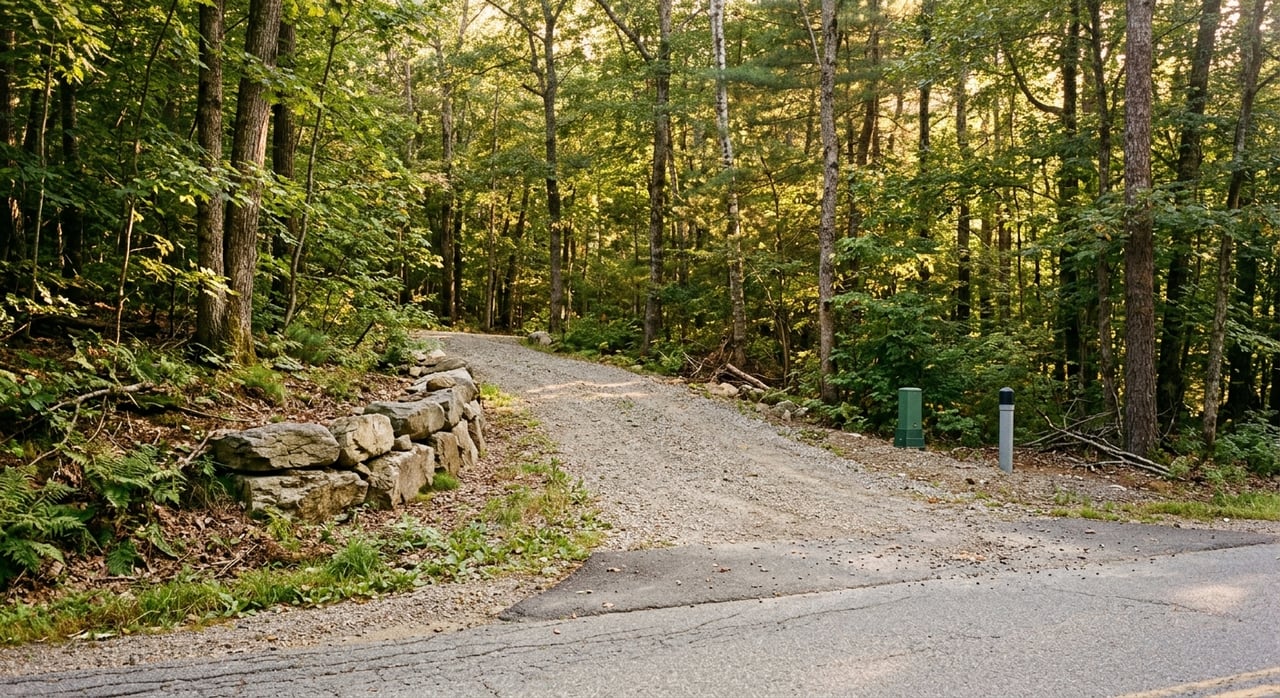
Buying mountain land can feel exciting right up until the practical questions start. Can you actually reach the property? Will a house site work on the slope? Do you need a well, septic, or a driveway permit? If you are looking near Spruce Pine, this guide will help you focus on the issues that matter most so you can move forward with more confidence. Let’s dive in.
Why mountain land needs extra homework
Mountain land near Spruce Pine can be beautiful, private, and full of possibility, but raw land is not a plug-and-play purchase. A parcel may look ideal online and still come with access, drainage, slope, or utility questions that affect what you can realistically do with it.
That is especially important in this area because Spruce Pine’s land-use plan identifies terrain and drainage as major development concerns. The plan notes that steep slopes, typically 25% or greater, are prominent in parts of town, especially in northern and eastern areas, and flood zones follow the North Toe River, Beaver Creek, and Grassy Creek.
For a first-time land buyer, that means your goal is not just to find a pretty tract. Your goal is to confirm that the property fits your intended use before you close.
Start with parcel records
Before you picture a cabin, guest house, or long-term hold, confirm exactly what you are buying. Mitchell County’s GIS and property search tools are a strong starting point for checking parcel identity, ownership, address information, and mapping.
From there, match the parcel to the recorded deed and any recorded plat through the Register of Deeds. This step helps you confirm that the legal records line up with the property being marketed and can reveal access language, easements, and other details tied to the land.
This sounds basic, but it matters. In mountain markets, the real-world use of a parcel does not always tell the full legal story.
Check access before anything else
One of the biggest beginner mistakes is assuming that if a road touches the property, access is settled. Near Spruce Pine, road responsibility can belong to NCDOT, a municipality, or a private owner depending on the location and ownership.
That means you need to know whether the road is state-maintained, town-maintained, private, or shared. You also want to confirm whether the recorded documents support the way the parcel is actually being accessed today.
If the parcel fronts a state highway, or if access will be developed, changed, or expanded, NCDOT says a driveway permit may be required. NCDOT also notes that there is no fee to apply for a driveway permit, though inspections or traffic-signal review can create costs.
Access questions to ask early
- Is the road public or private?
- Who maintains it?
- Is access recorded in the deed or plat?
- Are there easements or shared-road agreements?
- Will a new or modified entrance need NCDOT review?
If you only check one thing before going under contract on mountain land, make it access. A beautiful tract is much less useful if getting to it is unclear or unsupported by the recorded documents.
Understand slope and drainage
Topography is not a side issue in Spruce Pine. It is one of the main filters that determines whether a parcel works for your plans.
Steeper land can affect where you place a home, how much grading may be needed, what roadwork might be required, and how water moves across the property. Spruce Pine’s land-use plan specifically points buyers toward slope and drainage concerns, which is why reviewing these conditions early can save time and money later.
Flood-zone exposure also matters on lower-lying parcels near waterways. The local plan identifies flood zones along the North Toe River, Beaver Creek, and Grassy Creek, so if a parcel is near those corridors, take a closer look before assuming the building area is straightforward.
What to review on the site
- Steep areas versus gentler buildable areas
- Natural drainage patterns
- Potential flood-zone exposure
- Road grade and driveway route
- Whether the likely house site matches the terrain
A mountain parcel does not need to be perfectly flat to be usable. It does need a realistic site plan that fits the land you are buying.
Know whether zoning applies
Zoning can change what is possible, so this is another early check. Inside Spruce Pine town limits, the town has a zoning ordinance and map.
Outside Spruce Pine city limits, Mitchell County says there are no zoning restrictions. Even so, that does not mean there are no rules or no limitations. Recorded deeds, plats, easements, and other property documents can still affect what you can do on the land.
There is one more local detail to keep in mind. Spruce Pine’s zoning page says a zoning review committee began a rewrite process in June 2025 and expected it to take 14 to 18 months, so if a parcel is inside town limits, verify the current rules instead of relying on older printed information.
Map out utilities early
Utilities can be the difference between a simple project and a much more expensive one. Spruce Pine’s land-use plan says water and wastewater service are provided by the town to residents in town, and it also identifies electrical service, natural gas, and fiber or telecommunications as part of the local utility picture.
For land outside town or on more rural sites, utility planning often becomes more property-specific. Mitchell County’s subdivision checklist shows that new development may rely on public sanitary sewer, community sanitary sewer, septic tanks on each lot, public water, community water systems, or wells on each lot.
For beginners, the key question is simple: What is the utility path for this specific parcel? Do not assume nearby homes mean your lot has the same setup or cost structure.
Utility items to confirm
- Town water or private well
- Town sewer, community sewer, or septic
- Power availability and route
- Communications or fiber availability
- Any topography issues that affect installation
Septic and well feasibility matter
If the parcel will need a septic system or private well, site feasibility becomes a major part of your due diligence. Toe River Health District’s environmental health guidance is especially relevant for rural and hillside parcels in Mitchell County.
For septic approval, the district says the property line, proposed house site, and proposed well location must be marked so a specialist can evaluate topography and setbacks. The specialist then visits the lot and evaluates soil conditions.
For well permits, the district asks for site characteristics that may include easements, rights-of-way, existing wells or springs, surface water, wetlands, and other contamination risks. The district also says septic and well permits are typically valid for five years.
Mitchell County building inspections adds another practical point: final inspection will not occur until final septic approval has been issued. In other words, septic is not a paperwork detail. It is central to whether your future build can move forward.
Use the due diligence period wisely
In North Carolina, the due diligence period is your time to investigate the property and transaction further. The North Carolina Real Estate Commission notes that common due-diligence items include the survey, title search, septic work, appraisal, loan qualification, and repair negotiation.
For mountain land near Spruce Pine, that same framework is especially useful because the biggest questions often involve access, slope, utilities, and whether your intended use works on the actual site. This is the stage where you verify, not guess.
A practical local team may include:
- A closing attorney or title company
- A surveyor
- Mitchell County GIS or land records staff
- The Register of Deeds
- NCDOT, if access involves a state route
- Toe River Health District for septic and well feasibility
- County building or fire inspections if future structures are part of the plan
The right team can help you turn a promising piece of land into a well-informed purchase decision.
A beginner checklist for buying land near Spruce Pine
If you want a simple way to stay organized, use this checklist before closing:
- Confirm the parcel in Mitchell County GIS.
- Match it to the deed and any recorded plat.
- Verify how legal access works and who maintains the road.
- Check whether a driveway permit may be needed.
- Review slope, drainage, and possible flood-zone exposure.
- Confirm whether the parcel is inside Spruce Pine town limits.
- Verify the current zoning rules if it is in town.
- Identify the likely utility path for water, sewer, power, and communications.
- Investigate septic and well feasibility if public service is not available.
- Leave enough due-diligence time for survey, title work, and site questions.
Buying land with a clear plan
The best mountain land purchases usually start with a simple shift in mindset. Instead of asking, “Do I like this property?” ask, “Can this property support what I want to do?”
That approach can help you avoid common surprises and focus on the parcels that truly fit your goals. Whether you are searching for a future mountain home site, a private getaway, or a long-term investment in the Spruce Pine area, careful due diligence is what turns scenic land into a smart purchase.
If you want local guidance as you sort through vacant land options in Mitchell County and nearby mountain communities, Kelly Jones can help you evaluate listings, ask the right questions, and move forward with clarity.
FAQs
What should you check first when buying mountain land near Spruce Pine?
- Start by confirming the parcel in Mitchell County GIS, then match it to the recorded deed and plat, and verify legal access to the property.
Does land near Spruce Pine always have zoning rules?
- No. Inside Spruce Pine town limits, zoning applies. Outside town limits, Mitchell County says there are no zoning restrictions, but recorded property documents can still limit use.
Why is road access so important for Mitchell County land?
- Road access affects whether you can legally and practically reach the parcel, who maintains the road, and whether a driveway permit may be needed if the property fronts a state route.
Do rural parcels near Spruce Pine usually need a well and septic system?
- Some do. Mitchell County materials show that development may use public systems, community systems, wells, or septic, so you need to confirm the setup for each specific parcel.
How does Toe River Health District review septic sites in Mitchell County?
- The district requires the property line, proposed house site, and proposed well location to be marked so staff can evaluate topography, setbacks, and soil conditions during the site visit.
How long are well and septic permits typically valid in Mitchell County?
- Toe River Health District says septic and well permits are typically valid for five years.
What terrain issues matter most for land near Spruce Pine?
- Slope, drainage, and flood-zone exposure are key issues because local planning documents identify steep slopes and water-related constraints as important development factors.
How much time should you allow for due diligence on mountain land in North Carolina?
- Allow enough time to complete survey work, title review, access questions, and septic or well feasibility checks before closing, since these items often determine whether the land fits your plans.