Ski weeks book up. Leaf season fills fast. If you are eyeing Banner Elk for a second home or a short-term rental, timing and property features matter more than ever. You want a clear picture of what actually drives demand and how to move with the market, not against it. In this guide, you’ll learn how ski resorts, Grandfather Mountain, and signature events shape pricing, inventory, and strategy so you can plan smart. Let’s dive in.
What drives demand in Banner Elk
Winter draws revolve around Sugar Mountain Resort and Beech Mountain Resort. These areas pull in weekenders and week-long visitors during holidays and school breaks, which lifts demand for condos, cabins, and homes close to the slopes. Buyers focused on winter use often prioritize parking, gear storage, and layouts that handle snow and mud.
Summer and fall bring a different crowd. Access to Grandfather Mountain’s trails and scenic attractions, along with the annual Highland Games, support longer stays and steady traffic in the shoulder seasons. Fall festivals, the Woolly Worm weekend, craft fairs, and resort events add short spikes in occupancy and local spending.
Accessibility is another driver. State highway routes, winter road maintenance, distance to regional airports, reliable utilities, high-speed internet, and manageable parking or driveways all affect year-round usability. Properties that solve for these basics tend to perform better for both personal use and rentals.
Seasonal patterns at a glance
- Late fall to early spring: Ski-season interest usually rises before the first major snow and runs into March, depending on conditions. Pre-season buyers start searching in the fall to be settled by peak weeks.
- Summer: Grandfather Mountain access and longer family trips support steady demand for several months. Properly marketed rentals capture solid midweek and weekend bookings.
- Early fall: Leaf season creates short bursts of high occupancy. The right weekend can deliver premium rates for STRs.
- Event windows: Highland Games and resort events on Sugar and Beech produce predictable spikes. These weeks are prized by investors and can influence offer timing.
Inventory and pricing dynamics
Inventory often tightens heading into peak seasons. Sellers who list just before winter or summer can catch motivated buyers preparing for the next wave of activity. Shoulder-month listings face less competition but may also see a narrower pool of active second-home buyers.
Pricing tends to reflect these rhythms. Properties near ski areas, with strong views, or within an easy walk to downtown amenities can command premiums. Turnkey, rental-ready units with furnishings, fast Wi-Fi, and off-street parking often achieve stronger offers.
If you are a value-focused buyer, the off-peak windows may offer more room for negotiation. If you are a seller targeting top-dollar visibility, align your list date with the demand curve for ski or summer activity.
What buyers prioritize here
- Location and access: Proximity to Sugar or Beech, or to Grandfather Mountain and downtown conveniences.
- Functional layouts: Mudrooms, storage for gear, heated garages, and durable finishes for winter use.
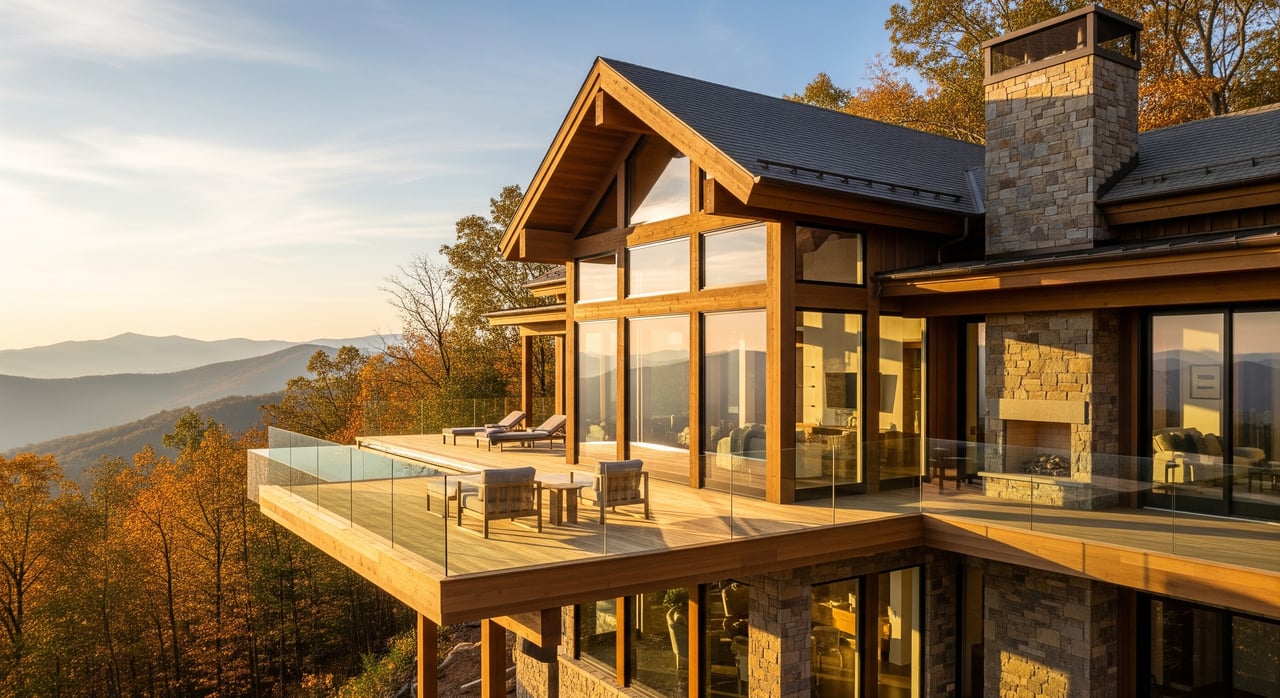
- Outdoor living: Decks, hot tubs, and view corridors can boost desirability and pricing.
- Ready-to-go rentals: Furnishings, clear parking, reliable internet, and guest-friendly check-in features.
These details influence both personal enjoyment and rental performance, which is why they show up in buyer checklists again and again.
STR investment factors that matter
STR performance in Banner Elk is seasonal. Peak weeks during holidays, school breaks, major events, and leaf season tend to deliver the highest occupancy and daily rates. Slower months exist, so it is important to model the entire year rather than assuming steady month-to-month income.
Before you buy, confirm local requirements. Town ordinances, county rules, and HOA policies may set licensing steps, occupancy limits, parking rules, and noise standards. Local lodging or tourism taxes apply, and reporting schedules vary. These details can shape your revenue and operating plan.
For underwriting, use conservative occupancy and ADR assumptions. Include management fees, cleaning, supplies, seasonal utilities, and maintenance. Parking capacity and driveway access, especially on steeper lots, can limit the practical guest count.
Offer strategies for buyers
- Prepare early: If you want winter use, start searching in late summer or early fall. Have financing, proof of funds, and inspections lined up so you can move quickly.
- Strengthen terms: In tight inventory windows, flexible closing timelines and strong evidence of funding help your offer stand out.
- Plan for appraisals: Unique mountain properties can challenge appraisers. Be ready to navigate appraisal gaps and consider your tolerance for additional cash if needed.
Listing strategies for sellers
- Time the market: Listing in late summer or early fall can capture buyers preparing for ski season and leaf season. Spring and early summer can still work well for buyers planning longer summer stays.
- Lead with lifestyle: Feature the elements buyers value most in the upcoming season. For winter, highlight heat sources, weather-ready access, and storage. For summer, focus on outdoor living and cooling.
- Make it turnkey: Furnishings, reliable internet, and clear parking can elevate appeal, especially for second-home and STR-minded buyers.
Inspection and appraisal realities
Weather can affect scheduling. Plan for snow and icy access if inspections fall in the colder months, and build contingency time into your contract. Properties with standout views, rare locations, or specialty features may not have perfect comparable sales, which can influence appraised value.
On the property condition side, pay close attention to roofs, HVAC performance, insulation, window quality, and water management. These items matter for guest comfort in winter and can reduce owner headaches.
Key metrics to watch
While the market shifts month by month, these metrics help you read the trend line:
- Median sale price and days on market for Banner Elk and the surrounding High Country.
- Active listings, new listings, and months of inventory by property type and price tier.
- Cash versus financed share of closed sales.
- For STRs: monthly occupancy, average daily rates, and the number of active listings.
Pull these from local MLS and High Country Association of REALTORS reports, along with seasonal tourism and event calendars. Always note the month and year of the data you use so you can compare apples to apples.
Local takeaways
If you love winter, shop early in the fall and be ready to act. If your priority is rental performance, map your calendar around holidays, Highland Games dates, and fall festivals. If you plan to sell, align your list timing with the season that best showcases your home’s strengths.
Ready to plan your next move with a boutique, presentation-first approach that understands how lifestyle drives results here? Start your mountain story with Unknown Company. Contact Kelly to tour listings or discuss your property.
FAQs
How ski season affects Banner Elk pricing and availability
- Peak ski months concentrate demand near Sugar and Beech, which can tighten inventory and support stronger pricing, especially for properties with easy slope access and winter-ready features.
Best time to list a Banner Elk property for maximum exposure
- Late summer or early fall can capture buyers preparing for ski and leaf seasons, while spring can appeal to those planning longer summer stays with less listing competition.
Features that add the biggest premiums in the High Country
- Slope proximity, strong views, outdoor living spaces, walkability to amenities, and turnkey rental readiness tend to command higher prices.
STR rules and taxes to confirm before you buy
- Check town, county, and HOA policies for STR permissions, licenses, occupancy limits, parking rules, noise standards, and local lodging or tourism tax obligations.
How variable STR income is across the year in Banner Elk
- Expect higher occupancy and rates during holidays, events, and leaf season, with slower months in between; model annual results conservatively rather than assuming steady monthly income.
Financing and appraisal differences for second homes and investments
- Down payment and qualification standards can differ for second homes and investments, and unique mountain properties may face appraisal challenges due to limited comparable sales.
Property types that appeal to buyers in this market
- Condos near resort areas, cabins with views, and single-family homes with practical access and storage see consistent interest from second-home users and STR investors.
Operating risks buyers should plan for in mountain settings
- Insurance costs, winter road access, driveway steepness, parking capacity, and seasonal utilities can affect both ownership experience and rental performance.